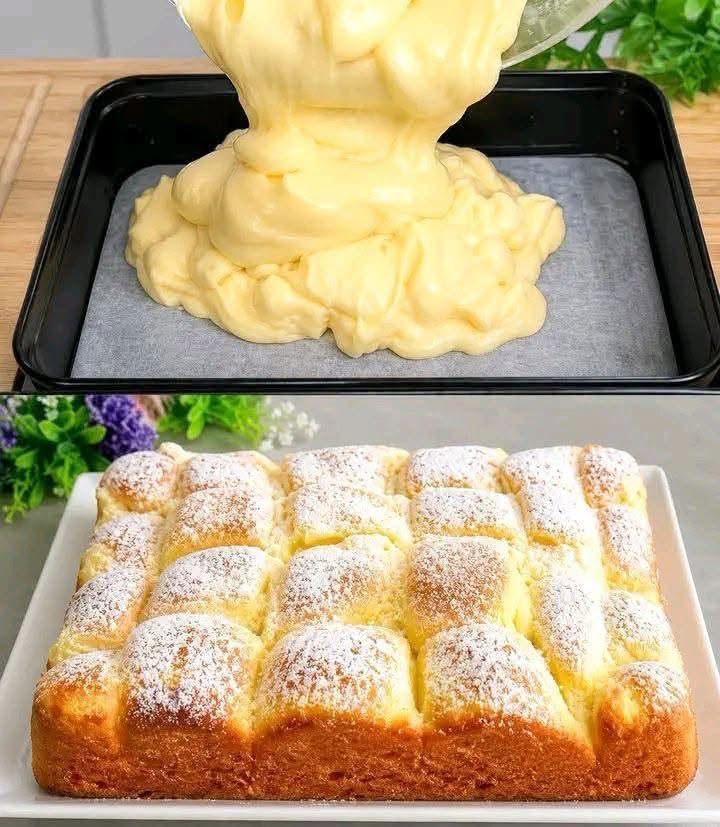
Gourmet Variations
Almond and Citrus Cake
For a brighter, zestier note, add the finely grated zest of an untreated (organic) lemon or orange to the batter. Citrus pairs exceptionally well with the mellow flavor of almonds.
Peach or Prune Version
Replace the red berries with peaches, prunes, or fresh cherries. You can sauté them for a few minutes in a pan with a small knob of butter and a little sugar to create a tender, fragrant topping.
Almond and Chocolate Cake
Melt some dark chocolate, let it cool slightly, and then drizzle it in thin ribbons over the cooled cake. For an even more indulgent presentation, add a few lightly toasted slivered almonds.
Individual Cakes
Divide the batter among buttered muffin tins or small individual molds. Adjust the baking time accordingly; start checking for doneness after 15 minutes. The exact time will depend on the size of the molds.
Serve each portion with a spoonful of fruit coulis and a few fresh fruits for an elegant dessert—perfect for a relaxed, convivial meal.
Tips for a Perfect Cake
Use room-temperature ingredients. The butter should be soft and the eggs at room temperature; this makes them easier to mix and ensures a more uniform batter.
Choose the right almond paste. Almond paste—a blend of almonds and sugar—is different from almond flour (ground almonds). Opt for a pliable paste and crumble it finely before incorporating it.
Pay close attention to the butter and almond paste mixture. The more thoroughly these are blended, the more consistent the cake’s crumb will be.
Gently fold in the egg whites. Overly vigorous mixing can cause the batter to deflate, reducing the cake’s lightness.
Keep an eye on the baking process. The center of the cake should remain tender; overbaking may cause it to become dry.
Wait until it has cooled completely. This will make it easier to remove from the pan and slice.
Prepare the coulis in advance. It can be made a few hours before the meal and kept in the refrigerator in a sealed container.
Read more on the next page >>
