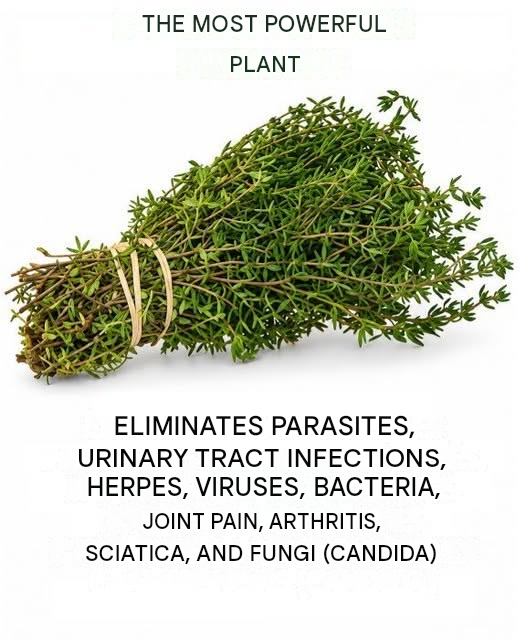
What precautions should be taken with oregano?
When used in typical culinary amounts, oregano is generally well-tolerated by most people. Precautions become more important when it is consumed in large quantities or in the form of a concentrated extract.
Here are the key points to keep in mind:
Pregnancy and breastfeeding: Stick to standard culinary amounts and seek medical advice before using concentrated preparations.
Allergies: Individuals who are sensitive to oregano—or to other plants in the same botanical family—should exercise caution.
Medication use: If you are on a regular course of medication, consult a doctor or pharmacist before using oregano extracts or essential oils.
Health conditions: Never replace a prescribed medical treatment with an herbal infusion, an aromatic herb, or a dietary supplement.
Essential oil: Due to its high concentration, it requires specific precautions, particularly regarding ingestion or application to the skin.
If in doubt, a healthcare professional can help you determine whether an oregano-based preparation is appropriate for your specific situation.
Fresh or dried oregano: which should you choose?
Both forms have their place in the kitchen.
Fresh oregano offers a delicate, herbaceous flavor, making it particularly well-suited for salads and dishes prepared just before serving. Dried oregano generally has a more concentrated taste and is easy to store in a cupboard, away from heat, light, and moisture.
Their composition can vary depending on production and storage conditions; therefore, it cannot be definitively stated that one form is inherently better for your health than the other.
Ultimately, the best choice is the one that suits your recipe and your personal preferences.
Read more on the next page >>
