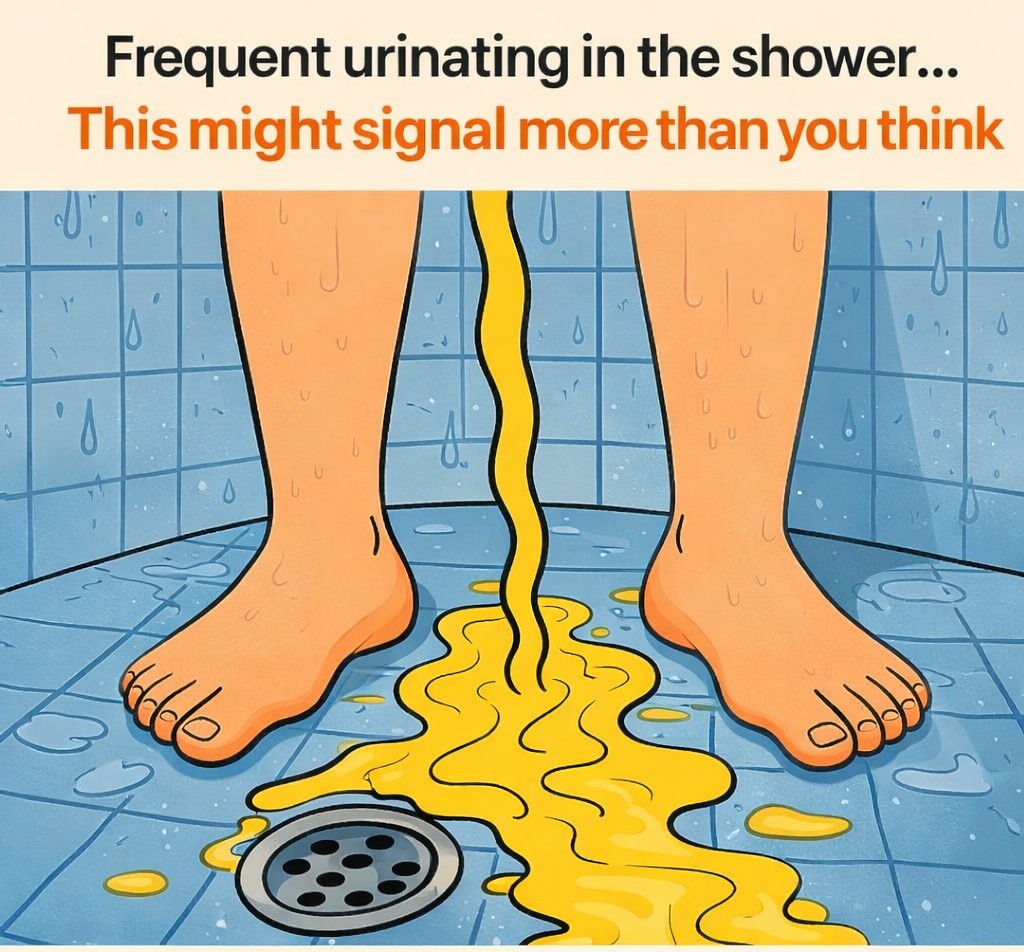
 The Environmental Perspective: A Tiny Act, Big Impact
Here’s where it gets interesting.
Every time you flush a toilet, you use 1.6 to 3.5 gallons of water (even more in older models).
If you pee once a day in the shower instead of the toilet, you save:
- ~584 gallons of water per year (with a 1.6-gallon flush)
- Multiply that by millions of people? That’s billions of gallons saved.
 Water conservation
 Less strain on sewage systems
 Lower energy use at water treatment plants
It’s a micro-habit with macro-impact — a quiet way to reduce your water footprint without changing your lifestyle.
 The Psychological Angle: Breaking Taboos
Why does peeing in the shower feel “wrong” to so many?
Because society has taught us that:
- Toilets = for pee/poop
- Showers = for cleaning
Mixing the two feels like a rule break.
But let’s be real:
Both go down the same drain.
Both end up at the same treatment plant.
So why is one “clean” and the other “gross”?
 It’s not logic. It’s conditioning.
And sometimes, doing something small that society says is “taboo” — but is actually harmless — feels weirdly liberating.
- Eating dessert first
- Wearing socks with sandals
- Putting fries in a milkshake (don’t knock it ‘til you’ve tried it)
It’s rebellion in a rinse.
 Design & Infrastructure: Should Showers Be Pee-Friendly?
Plumbing systems are already built to handle it — most shower and toilet drains merge into the same wastewater line.
So why not design for it?
Imagine:
- Dual-flush systems that encourage shower-peeing
- Public showers at gyms or festivals with designated “pee zones”
- Water-saving campaigns that normalize the practice
We flush trillions of gallons of drinkable water down the toilet just for pee — one of the cleanest substances we produce.
Maybe it’s time to rethink the rules.
 Cultural Lens: What’s Normal Where?