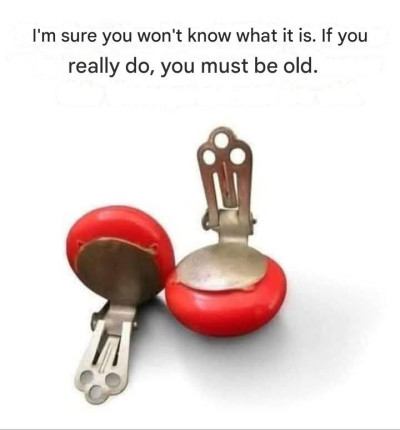
This particular version was designed to be compact, portable, and durable, combining metal for strength with a plastic or Bakelite handle for comfort. This design allowed users—often women or the elderly—to more easily fasten tight-fitting shoes or clothes, which required fine motor skills.
Who used it and why?
These tools were necessary to:
Elderly people or those suffering from arthritis who have problems with small lumps.
Women and men wore high boots with buttons, popular in the early 20th century.
Children whose fine motor skills were still developing.
Home workers who used these tools to dress their employers more effectively.
Historical significance
Although now considered obsolete, such tools fit into a broader narrative of technological and social evolution in the clothing industry. With the shift towards zippers (patented in 1913) and stretch fabrics, these tools fell into oblivion – now prized primarily by collectors, museums, and vintage enthusiasts.
Modern perspective
Although no longer in common use, these vintage buttons are a symbol of innovation in a time when every aspect of life required a little more effort—and ingenuity. They remind us how far we’ve come in terms of accessibility and ease of fashion, and they capture a part of everyday life that’s almost forgotten today.
Application
This object may seem alien to modern generations, but for those who recognize it, it’s a nostalgic reminder of a completely different era. Its function, though simple, represents a clever solution to a real-world problem—making it a small but important piece of design history.
